
As the aroma of slow-cooked beef fills my kitchen, I can’t help but feel that warm sepia-toned nostalgia of family dinners past. Beef Carbonnade is more than just a dish—it’s a hearty embrace served in a bowl, blending tender beef short ribs, rich beers, and comforting spices into a savory symphony that delights the senses. The beauty of this Belgian stew lies in its simplicity and the way it transforms into a melt-in-your-mouth masterpiece through slow cooking. Perfect for a cozy gathering or a quiet night in, this comfort food is effortlessly rewarding, making dinner feel special without the fuss. Ready to join me on a culinary journey that will elevate your weeknight meals? Let’s dive into creating this satisfying stew that pairs beautifully with creamy mashed potatoes!
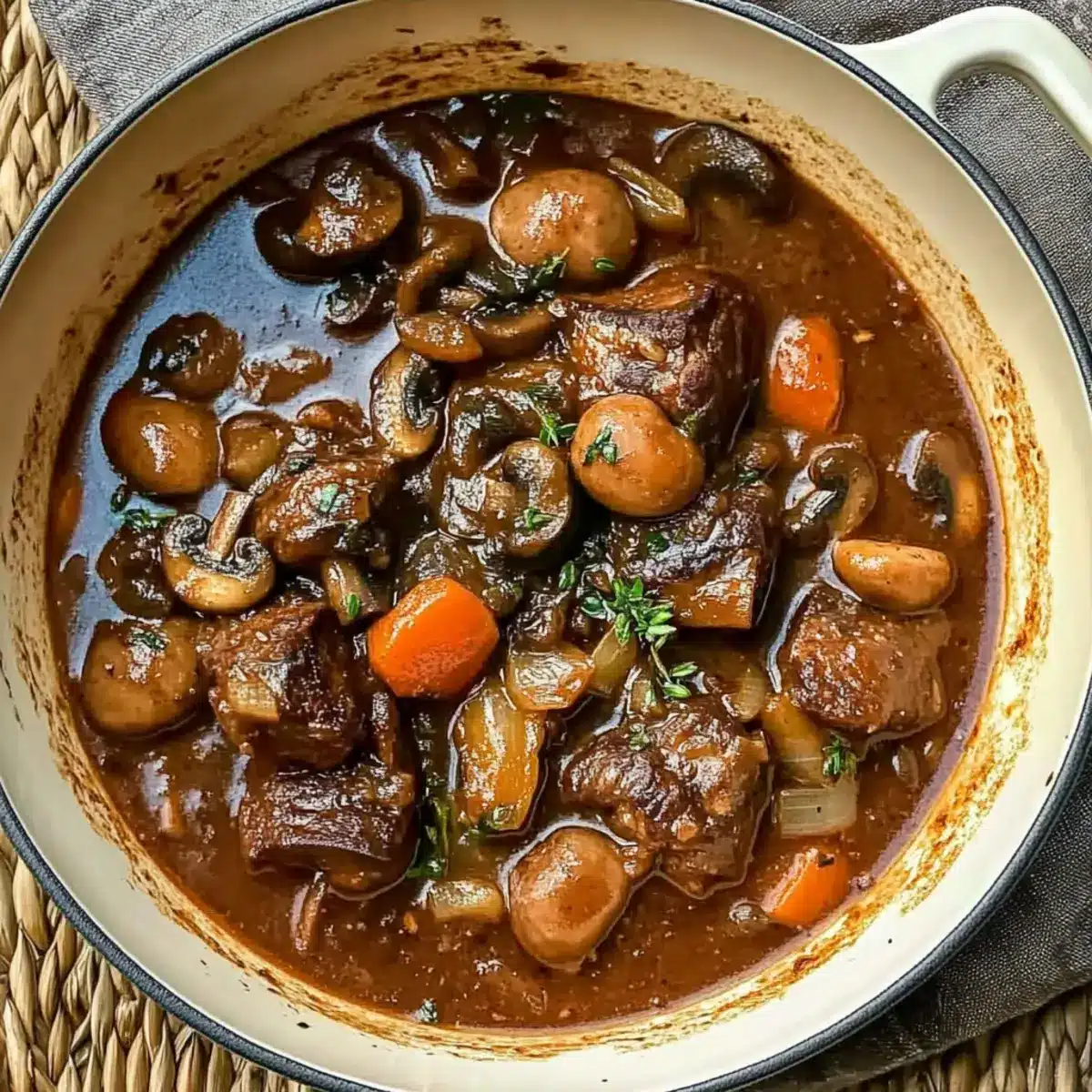
Why is Beef Carbonnade a must-try?
Heartwarming Comfort: This dish has everything you crave on a chilly evening—tender beef enveloped in a rich beer sauce that feels like a warm hug.
Effortless Cooking: With just one pot and some simple ingredients, you’ll savor a meal with minimal cleanup, allowing more time to relax.
Flavorful Depth: Each bite is a complex blend of savory goodness thanks to slow cooking, enhancing the flavors beautifully, just like a traditional beef bourguignon.
Crowd Pleaser: Serve it at your next gathering, and watch as it brings friends and family together, paired perfectly with Mustard Butter Mashed Potatoes.
Versatile Adaptations: Want to shake things up? Try it with a different beer or root vegetables for a unique twist each time!
This comforting stew isn’t just a meal; it’s an experience.
Beef Carbonnade Ingredients
• For the Stew
- Beef Short Ribs – The main protein that delivers rich flavor and a melt-in-your-mouth texture; chuck roast can be a great alternative.
- Olive Oil – Used for sautéing; helps achieve a nice sear on your beef and veggies; feel free to substitute with your favorite cooking oil.
- Plain/All-Purpose Flour – A light dusting helps create a beautiful browned crust while thickening the sauce.
- Carrot – Adds a touch of sweetness and a lovely texture; it’s a classic companion in stew recipes.
- Brown Onions – These are essential for building a flavorful base; they caramelize beautifully while cooking.
- Button Mushrooms – Contribute an earthy note; you can slice or keep them whole for a heartier bite.
- Speck – Imparts a smoky flavor; can be replaced with bacon or pancetta for a similar effect.
- Tomato Paste – This ingredient brings a splash of acidity and richness; don’t skip it!
- Garlic – Infuses the stew with robust aroma and taste; opt for fresh whenever possible.
- Wholegrain Mustard – Adds a tangy dimension; Dijon mustard can work if wholegrain isn’t available.
- Fresh Thyme and Rosemary – These aromatic herbs elevate the dish; you may use dried versions, but fresh offers a bolder flavor.
- Beer – Essential for achieving the stew’s distinctive taste; lager is recommended, but red wine or beef stock can serve as great substitutes.
- Beef Stock – This is the base liquid for your stew; using low-sodium stock helps control the saltiness.
- Salt & Pepper – These staples enhance the freshness of each ingredient; adjust to your taste.
• Optional Garnishes
- Fresh Parsley – Chopped for a pop of color and freshness on top of your serving.
- Crusty Baguette – Perfect for scooping up every bit of that delicious sauce; it’s a must-have side!
With these ingredients at your fingertips, you’re ready to embark on your Beef Carbonnade adventure—a comfort food classic that shines at the dinner table!
Step‑by‑Step Instructions for Beef Carbonnade
Step 1: Preheat the Oven
Begin by preheating your oven to 160°C (320°F). This gentle heat will be perfect for slow cooking your Beef Carbonnade, allowing the flavors to meld beautifully. While your oven heats up, gather your ingredients for easy access, setting the stage for a smooth cooking experience.
Step 2: Prepare the Beef
Cut the beef short ribs into individual pieces and dust them lightly with all-purpose flour. This step not only helps create a beautifully browned crust but also aids in thickening the sauce later. Set the flour-dusted beef aside and get ready to sear to start developing those rich flavors in the Beef Carbonnade.
Step 3: Sear the Beef
In a large flameproof casserole dish, heat a drizzle of olive oil over medium-high heat until shimmering. Add the floured beef ribs to the hot oil, searing them for about 4-5 minutes on each side until they are deep brown and nicely crusted. Once browned, carefully remove the beef ribs from the dish and set them aside to rest while you build the vegetable base.
Step 4: Sauté the Vegetables
With the same casserole dish still sizzling, add diced carrots, sliced onions, button mushrooms, and chopped speck. Sauté the mixture for about 5-7 minutes, stirring occasionally, until the vegetables are softened and fragrant. This combination will create a flavorful base to complement the tender beef in your Beef Carbonnade.
Step 5: Incorporate Tomato Paste and Garlic
Next, stir in a tablespoon of tomato paste along with minced garlic, cooking for an additional 30 seconds. The paste enriches the flavor profile and the garlic adds a delightful aroma to the mixture. You’ll know it’s ready when the garlic becomes fragrant and the tomato paste darkens slightly.
Step 6: Deglaze with Beer
Pour in your chosen lager, scraping any browned bits from the bottom of the dish to deglaze. Bring the mixture to a simmer, letting it cook for about 2-3 minutes. This step is vital as it incorporates all those delicious flavors from the bottom of the pot into the sauce for the Beef Carbonnade.
Step 7: Add Mustard and Herbs
Stir in wholegrain mustard, fresh thyme, and rosemary, mixing until combined. These ingredients add depth and complexity to the sauce. Let the mixture simmer for another minute to allow the herbs to infuse their fragrant oils, creating aromatic notes in your Beef Carbonnade.
Step 8: Combine Everything
Return the browned beef short ribs to the pot and pour in beef stock until the meat is just submerged. Bring the contents back to a gentle simmer, ensuring all the flavors meld beautifully. This is the heart of your Beef Carbonnade—where the magic happens!
Step 9: Bake to Perfection
Cover the casserole dish tightly with a lid and transfer it to the preheated oven. Bake for about 2 hours, or until the beef is incredibly tender and easy to pull apart with a fork. This slow cooking will allow the beef to absorb all those rich, savory flavors in the sauce.
Step 10: Final Seasoning
Once the cooking time is up, carefully remove the Beef Carbonnade from the oven. Taste the sauce and season with salt and pepper as needed, adjusting to your preference. This last step enhances all the flavors you’ve worked to create, ensuring a delicious finish to your hearty stew.
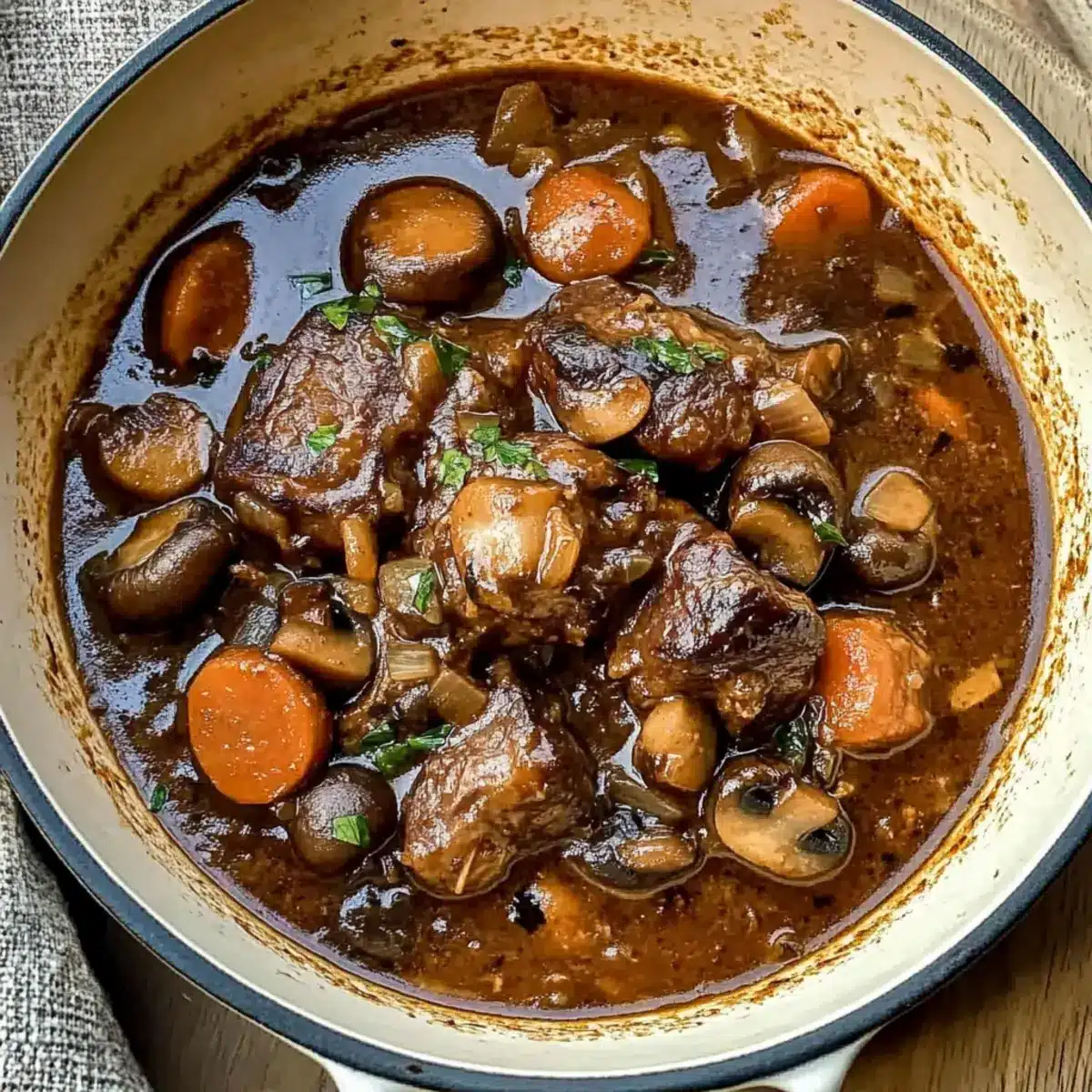
What to Serve with Beef Carbonnade?
To create the perfect dining experience, consider these delightful side dishes that complement the deep, savory notes of this Belgian stew.
- Creamy Mashed Potatoes: The velvety texture of mashed potatoes pairs exquisitely, soaking up the rich beer sauce for a comforting bite.
- Crusty Baguette: A must-have for mopping up every drop of sauce, the crispy crust and airy interior provide a satisfying contrast.
- Honey-Glazed Carrots: Their natural sweetness balances the savory flavors, adding a pop of color and a delightful crunch.
- Roasted Brussels Sprouts: With a crispy exterior and tender inside, these add a nutty flavor that beautifully complements the stew.
- Mixed Green Salad: A fresh, citrusy salad with a light vinaigrette cuts through the richness, refreshing your palate between bites.
- Belgian Ale: Enhance the experience by sipping on the same beer used in cooking; it enriches the meal and makes for a cohesive dining adventure.
- Chocolate Cake: For dessert, a rich chocolate cake offers a sweet ending, echoing the indulgence of the stew while providing a delightful contrast in flavors.
- Apple Crisp: This warm, spiced dessert with a crispy topping brings a comforting finish, balancing the savory notes perfectly.
Beef Carbonnade Variations & Substitutions
Feel free to explore these delightful twists that will make your Beef Carbonnade experience even more unique!
- Lower-Carb Option: Swap out the potatoes for creamy cauliflower mash for a lighter, yet just as comforting alternative.
- Beer Variety: Experiment with stouts for a richer flavor or a pale ale for a brighter, crisp taste to experience the breadth of the recipe.
- Root Veggie Medley: Incorporate parsnips or turnips in place of some carrots for a subtle sweetness and a different texture in your stew.
- Vegetarian Version: For a plant-based adaptation, use hearty mushrooms like portobello and vegetable stock instead of beef and beer.
- Spicy Kick: Add a dash of smoked paprika or cayenne pepper to your stew for an exciting heat that elevates the flavor profile.
- Mustard Swap: If you prefer a different tang, Dijon mustard can easily replace wholegrain mustard without losing that essential sharpness.
- Smokiness Upgrade: Instead of speck, go for smoked sausage to enhance the savory smokiness in your stew.
- Wine Infusion: For a refined taste, substitute the beer with a robust red wine for a rich and bold flavor that pairs perfectly with the beef.
With these variations, your Beef Carbonnade can evolve each time, capturing new tastes and textures each and every time you warm your kitchen with this beautiful dish! For more scrumptious ideas, check out my delectable Garlic Butter Beef and Ranch Beef Pasta recipes that are sure to spark your culinary creativity!
Expert Tips for Beef Carbonnade
-
Brown the Beef Well: Ensure ribs are well-browned before simmering to develop rich flavor. Don’t rush this important step!
-
Check for Tenderness: If the beef isn’t fork-tender after 2 hours, continue baking in 30-minute increments until it reaches that melt-in-your-mouth texture.
-
Thicken the Sauce: For a thicker sauce, remove the cooked ribs and simmer the sauce on the stovetop until it reduces to your desired consistency.
-
Choose Quality Beer: The flavor of the beer is key—choose a good quality lager or switch to red wine mixed with beef stock for a different depth in your Beef Carbonnade.
-
Season to Taste: Always taste the stew before serving and adjust the salt and pepper for the perfect seasoning. A little can go a long way!
Storage Tips for Beef Carbonnade
- Fridge: Store leftover Beef Carbonnade in an airtight container for up to 3-4 days. Allow it to cool to room temperature before sealing to preserve flavor and freshness.
- Freezer: For longer storage, freeze Beef Carbonnade in a freezer-safe container for up to 2-3 months. Portion out the stew to make reheating easier!
- Reheating: Thaw the frozen Beef Carbonnade in the fridge overnight. Reheat gently on the stovetop over medium heat or in the microwave, stirring occasionally to ensure even heating.
- Airtight Storage: Always ensure your container is airtight to prevent freezer burn and preserve the delightful flavors of this comforting beef stew.
Make Ahead Options
Beef Carbonnade is perfect for busy home cooks looking to save time without sacrificing flavor! You can prepare the beef short ribs by searing and dusting them with flour up to 24 hours in advance. Additionally, you can chop the vegetables and store them in an airtight container in the refrigerator for up to 3 days. The key to maintaining quality is to refrigerate the components separately, preventing sogginess and ensuring the beef stays tender. When you’re ready to enjoy this comforting stew, simply combine the prepped ingredients in the pot, add the beer and beef stock, then bake as directed for delicious, hassle-free results.
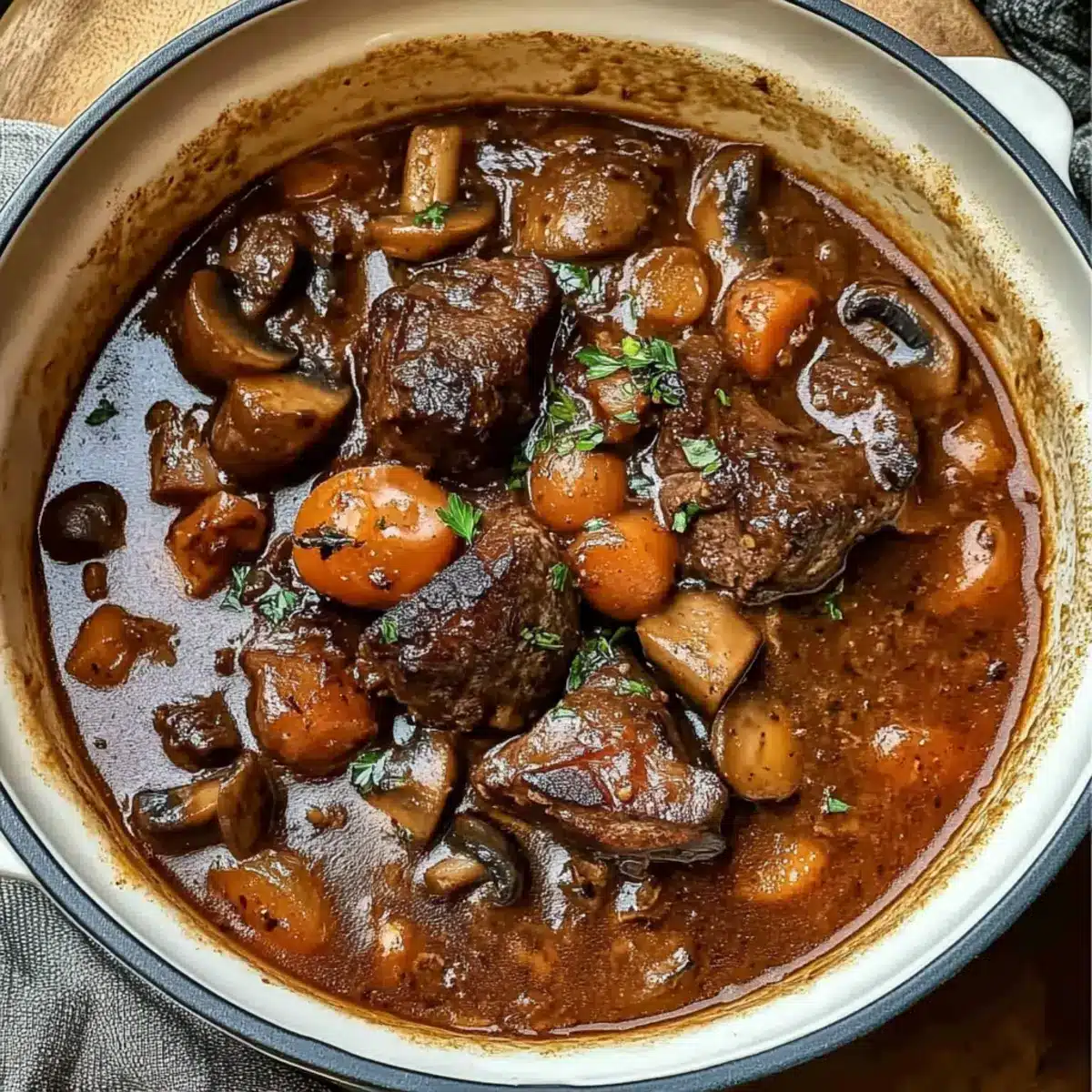
Beef Carbonnade Recipe FAQs
How do I choose the best beef for Carbonnade?
Absolutely! For the best results, use beef short ribs, as they provide a rich flavor and melt-in-your-mouth texture. If short ribs aren’t available, chuck roast makes a fantastic substitute. Look for marbled cuts with a good amount of fat, which will enhance the stew’s overall flavor.
What’s the best way to store leftovers?
Very simple! Store any leftover Beef Carbonnade in an airtight container in the refrigerator for up to 3-4 days. Allow it to cool to room temperature before sealing it up to help maintain its freshness and flavor.
Can I freeze Beef Carbonnade?
Absolutely! To freeze, let the stew cool completely, then transfer it to a freezer-safe container. I recommend portioning it into single servings for easier reheating. Beef Carbonnade can be frozen for up to 2-3 months. Just be sure to label your container with the date!
What if my Beef Carbonnade sauce is too thin?
No worries! If you find your sauce is too thin, remove the cooked beef ribs and simmer the sauce on the stovetop over medium heat until it reduces to your desired consistency. This should take about 10-15 minutes. For an even thicker sauce, you can mix a teaspoon of cornstarch with a small amount of cold water and stir it into the simmering sauce.
Is Beef Carbonnade safe for my pets?
Not specifically! While the ingredients in Beef Carbonnade are safe for humans, it’s best to avoid sharing this dish with pets, especially due to the onions and garlic, which can be harmful to cats and dogs. Always consult with your veterinarian if you’re unsure about feeding your pet certain human foods.
How can I adjust the recipe for dietary restrictions?
The more the merrier! For a lower-carb option, consider serving it over cauliflower mash instead of potatoes. Vegans can try using mushrooms and plant-based meats alongside a non-alcoholic beer or vegetable broth. Make sure to double-check ingredient labels for any potential allergens!
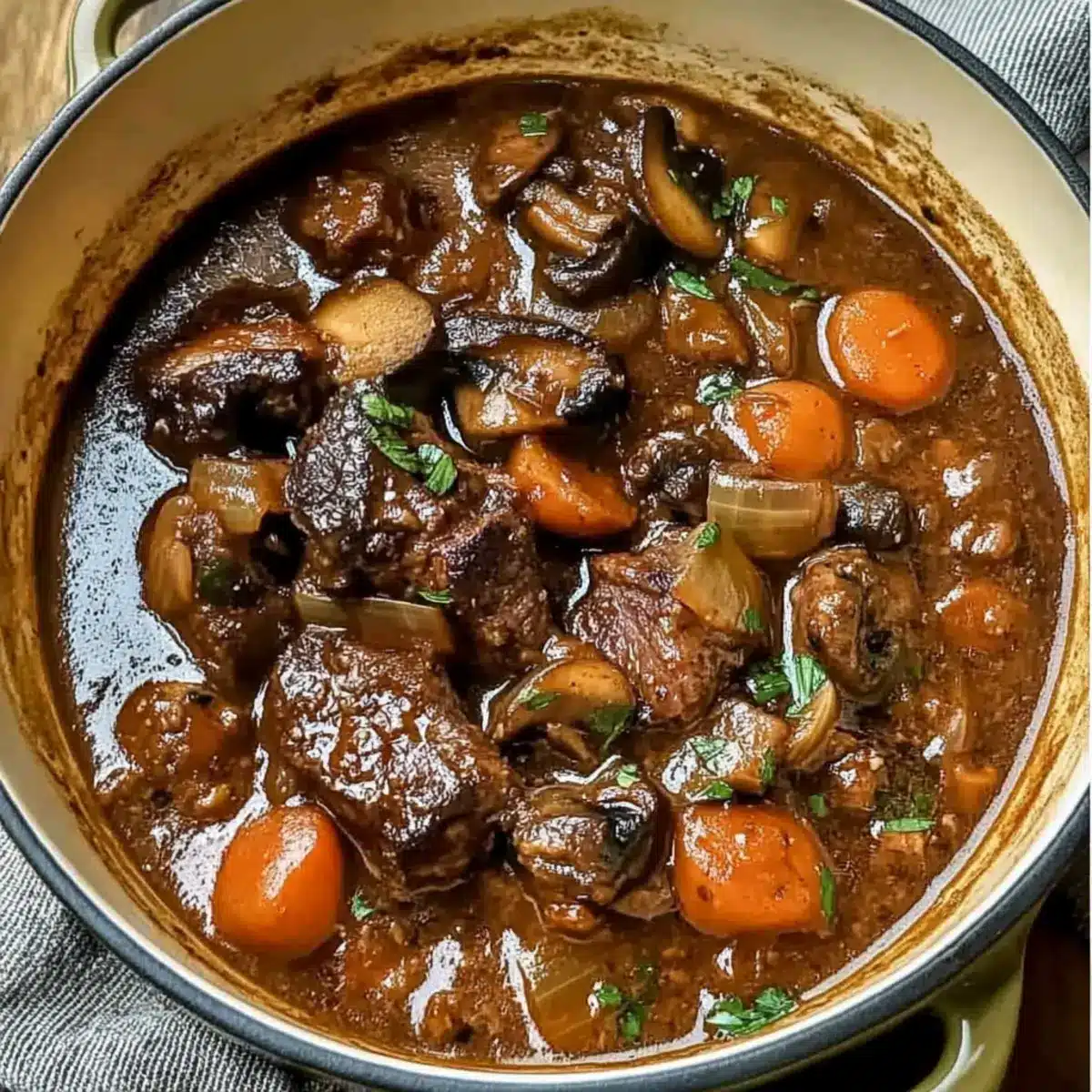
Beef Carbonnade: Cozy, Flavorful Beef Stew Perfect for Dinner
Ingredients
Equipment
Method
- Preheat your oven to 160°C (320°F).
- Cut the beef short ribs into individual pieces and dust them lightly with all-purpose flour.
- In a large flameproof casserole dish, heat olive oil over medium-high heat and sear the beef ribs for 4-5 minutes on each side.
- Add diced carrots, sliced onions, button mushrooms, and chopped speck to the casserole dish and sauté for about 5-7 minutes.
- Stir in tomato paste and minced garlic, cooking for an additional 30 seconds.
- Pour in lager to deglaze the pot, scraping any browned bits from the bottom, and bring to a simmer for about 2-3 minutes.
- Add wholegrain mustard, fresh thyme, and rosemary, mixing until combined.
- Return the browned beef ribs to the pot and pour in beef stock until the meat is submerged.
- Cover the casserole dish tightly with a lid and bake for about 2 hours.
- Taste the sauce and season with salt and pepper as needed before serving.
Leave a Reply