
The sweet scent of summer wafts from my kitchen as I pull out a loaf of warm Pineapple Coconut Bread, instantly transporting me to a sun-drenched beach in Maui. This recipe has become my go-to for a quick breakfast or a delightful afternoon snack, perfect for those of us craving a tropical escape without leaving home. With just a handful of ingredients and simple steps, this bread offers a rich, moist delight that’s satisfyingly sweet yet light. Plus, it’s easily customizable with a gluten-free option, making it a crowd-pleaser for anyone tired of the usual fast-food fare. So, are you ready to bring a taste of paradise into your home?
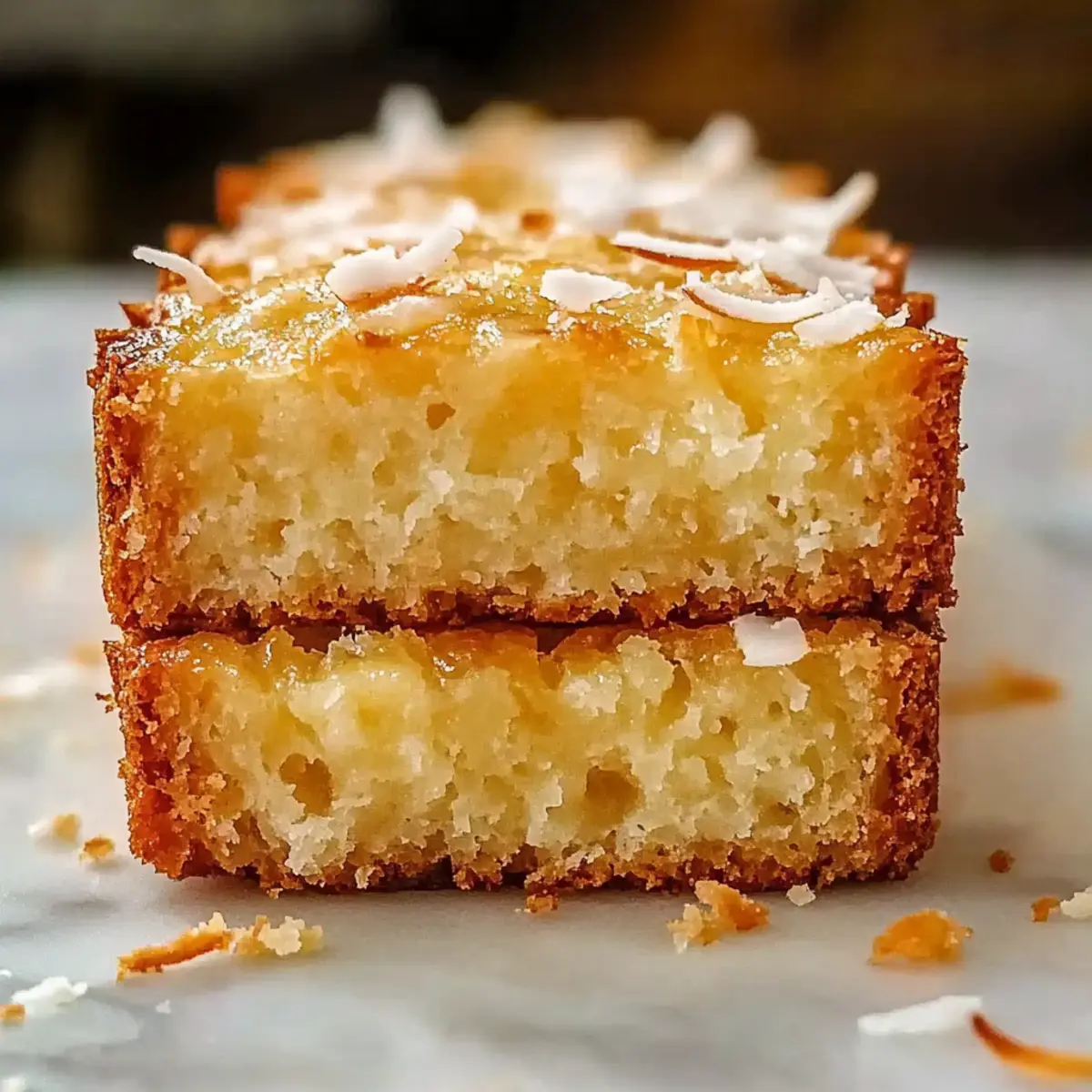
Why Is Pineapple Coconut Bread Irresistible?
Tropical flavors come alive in this delightful loaf, with sweet pineapple and rich coconut melding perfectly. Effortless preparation means you can whip it up in no time, making it a go-to for busy mornings or unexpected guests. Flexible ingredients allow for gluten-free substitutions, ensuring everyone can enjoy this treat. Plus, the moist, fluffy texture makes each bite a taste of paradise, reminiscent of leisurely days on the beach. Pair it with a tropical fruit salad or a scoop of vanilla ice cream for a delicious finish, much like my Cheese Bread Cozy!
Pineapple Coconut Bread Ingredients
• Here’s everything you need for your tropical delight!
For the Batter
- All-Purpose Flour – Provides structure to the bread; use gluten-free flour blend for a gluten-free version.
- Granulated Sugar – Adds sweetness to balance the tropical flavors.
- Baking Powder – Key leavening agent that helps the bread rise.
- Baking Soda – Works alongside baking powder to create a light texture.
- Salt – Enhances the flavors of the bread.
- Shredded Coconut – Introduces delightful texture and rich tropical flavor.
- Crushed Pineapple – Tenderizes the bread and adds moisture; fresh pineapple can be used if finely chopped and drained.
- Unsalted Butter – Adds richness and moisture to the loaf.
- Eggs – Bind the ingredients and contribute to the moistness of the bread.
- Vanilla Extract – Offers a depth of flavor that complements the other ingredients.
- Buttermilk – Ensures the bread remains moist and tender; substitute coconut milk for a stronger coconut flavor.
Feel the magic of baking your own Pineapple Coconut Bread, and get ready to enjoy this tropical escape right in your kitchen!
Step‑by‑Step Instructions for Pineapple Coconut Bread
Step 1: Preheat the Oven
Begin by preheating your oven to 350°F (175°C). While it warms up, grab a 9×5-inch loaf pan and generously grease it with butter or cooking spray to ensure your Pineapple Coconut Bread will slide out easily once baked. Set the prepared pan aside as you’ll need it shortly.
Step 2: Mix Dry Ingredients
In a large mixing bowl, whisk together 2 cups of all-purpose flour, 1 cup of granulated sugar, 2 teaspoons of baking powder, 1 teaspoon of baking soda, ½ teaspoon of salt, and 1 cup of shredded coconut until thoroughly combined. This step helps to evenly distribute the leavening agents, ensuring an even rise and a delightful, coconut-filled texture in your bread.
Step 3: Combine Wet Ingredients
In a separate bowl, mix together ½ cup of melted unsalted butter, 2 large eggs, 1 teaspoon of vanilla extract, 1 cup of buttermilk, and 1 cup of crushed pineapple. Stir well until the mixture is smooth and consistent. The warmth of the melted butter should be cooled slightly to avoid cooking the eggs—this will ensure your Pineapple Coconut Bread remains light and airy.
Step 4: Combine Mixtures
Carefully pour the wet ingredients into the bowl containing the dry ingredients. Using a spatula or wooden spoon, gently fold the mixtures together until just combined—be careful not to overmix, as a few lumps are perfectly fine. This will keep your Pineapple Coconut Bread fluffy and delicious!
Step 5: Transfer to Loaf Pan
Once combined, pour the batter into your prepared loaf pan, smoothing out the top with the spatula. Make sure the batter is evenly distributed, as this will help it bake more uniformly. You’ll love the sight of the golden batter, ready to transform into a tasty tropical treat!
Step 6: Bake the Bread
Slide the loaf pan into your preheated oven and bake for 55-60 minutes. Keep an eye on it, and you’ll know it’s done when a toothpick inserted into the center comes out clean, with just a few crumbs attached. The aroma of baked pineapple and coconut will fill your kitchen, signaling that your Pineapple Coconut Bread is nearly ready.
Step 7: Cool the Bread
After baking, remove the loaf pan from the oven and let the bread cool in the pan for about 10 minutes. This resting time allows it to firm up slightly, making it easier to transfer. Use this time to enjoy the sweet scent that permeates your home!
Step 8: Transfer to Wire Rack
Carefully turn the loaf out onto a wire rack to cool completely. Allowing the bread to cool fully will help maintain its structure, resulting in beautiful, perfect slices when you’re ready to serve your Pineapple Coconut Bread. Enjoy the tantalizing tropical aromas as you await your sweet slice of paradise!
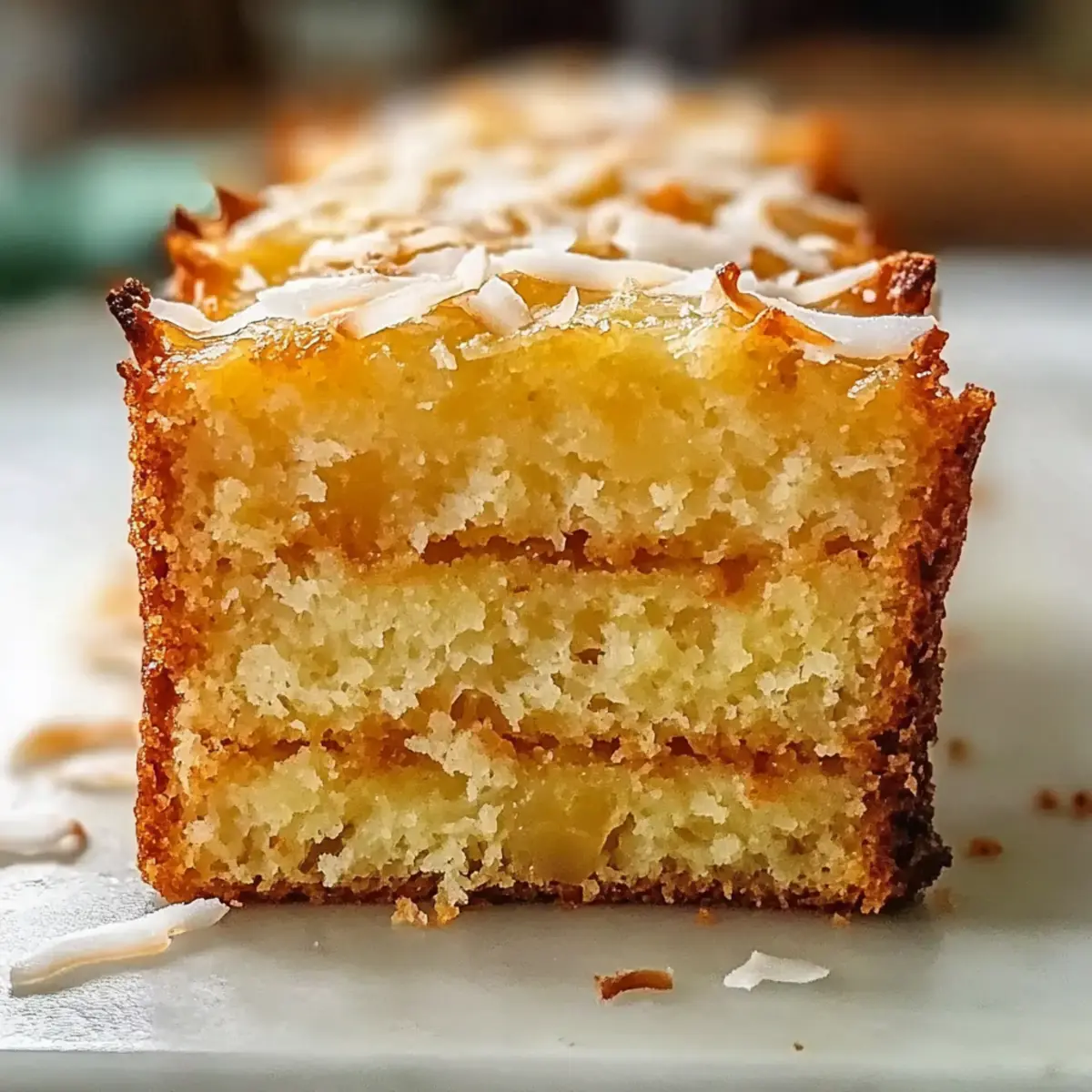
Expert Tips for Pineapple Coconut Bread
-
Don’t Overmix: Gently stir the batter until just combined; overmixing can lead to a dense bread instead of the fluffy texture you desire.
-
Cool Butter First: Ensure the melted butter cools slightly before adding to the eggs to avoid cooking them prematurely.
-
Use Ripe Pineapple: Fresh, ripe pineapple makes a big difference in flavor. If using canned, drain thoroughly to avoid excess moisture.
-
Check Doneness: Insert a toothpick into the center; it should come out clean or with a few crumbs for perfectly baked Pineapple Coconut Bread.
-
Let It Rest: Allow the bread to cool completely before slicing for cleaner cuts and enhanced flavor as it continues to set.
How to Store and Freeze Pineapple Coconut Bread
Room Temperature: Store leftover Pineapple Coconut Bread in an airtight container at room temperature for up to 3 days to maintain its moistness and flavor.
Fridge: If you prefer longer storage, you can keep it in the fridge for about a week. Make sure to wrap it tightly to prevent drying out.
Freezer: To freeze, wrap the bread tightly in plastic wrap and aluminum foil, then place it in a freezer-safe bag. It will keep well for up to 3 months.
Reheating: To reheat, simply thaw at room temperature or warm in the oven at 350°F (175°C) for about 10-15 minutes for a just-baked taste.
What to Serve with Pineapple Coconut Bread?
The delightful aroma of freshly baked bread can inspire creativity in your kitchen as you think about the perfect accompaniments to elevate your meal.
- Tropical Fruit Salad: A vibrant mix of juicy pineapples, mangos, and kiwis balances the sweetness of the bread beautifully.
- Coconut Tea: Brewed with coconut milk, this warm beverage enhances the tropical theme, making every sip a comforting escape.
- Creamy Yogurt Parfait: Layered with fresh berries and granola, this adds a delightful crunch and tanginess that complements the sweet bread.
- Vanilla Ice Cream: A scoop on the side transforms your bread into a delightful dessert, creating a refreshing contrast to its warm, moist texture.
- Mango Smoothie: This refreshing drink adds a creamy texture, perfectly harmonizing the tropical flavors for a delightful breakfast pairing.
- Pineapple Sorbet: Light and fruity, this desserts enhances the pineapple flavor in the bread, making it a refreshing treat on a warm afternoon.
Let your senses delight in a full meal experience by combining these flavors, transporting you straight to a sun-kissed beach with each bite!
Make Ahead Options
These Pineapple Coconut Bread preparations are perfect for busy home cooks looking to save time without sacrificing flavor! You can mix the dry ingredients (flour, sugar, baking powder, baking soda, salt, and coconut) and store them in an airtight container up to 3 days in advance. Additionally, combine the wet ingredients (butter, eggs, vanilla, buttermilk, and crushed pineapple) and keep them refrigerated for up to 24 hours. When you’re ready to bake, simply bring the wet mixture to room temperature, combine it with the dry ingredients, and proceed with baking as instructed. This approach ensures your bread stays just as delicious while allowing for immediate cooking convenience on busy mornings.
Pineapple Coconut Bread Variations
Customize your Pineapple Coconut Bread for a uniquely delightful twist that suits your taste!
-
Gluten-Free: Use a gluten-free flour blend to make this tropical delight accessible to everyone without sacrificing taste.
-
Nutty Crunch: Add ½ cup of chopped macadamia nuts or walnuts for a satisfying crunch that enhances the tropical flavor. The added texture gives each bite a delightful surprise!
-
Coconut Milk: Replace buttermilk with coconut milk for an even richer coconut flavor, making each slice feel like a mini vacation!
-
Creamy Addition: Mix in a ½ cup of sour cream or Greek yogurt to boost richness and moisture. This twist creates an irresistibly creamy texture that you won’t want to miss!
-
Citrus Zing: Grate some orange or lime zest into the batter for a refreshing burst of citrus that complements the sweetness of the pineapple perfectly.
-
Chocolate Delight: Fold in some dark chocolate chips for a decadent treat. The combination of chocolate and coconut brings an unexpected richness that’s hard to resist!
-
Spiced Up: Sprinkle in some cinnamon or nutmeg to elevate the flavor profile and add warmth—a comforting touch for those cozy mornings.
-
Tropical Mix: Toss in some chopped dried mango or papaya along with the pineapple to amplify those summer vibes and enjoy a plethora of textures and flavors in every bite!
As you explore these variations, don’t forget to check out my sweet Cinnamon Sugar Donut Bread for another way to brighten your mornings!
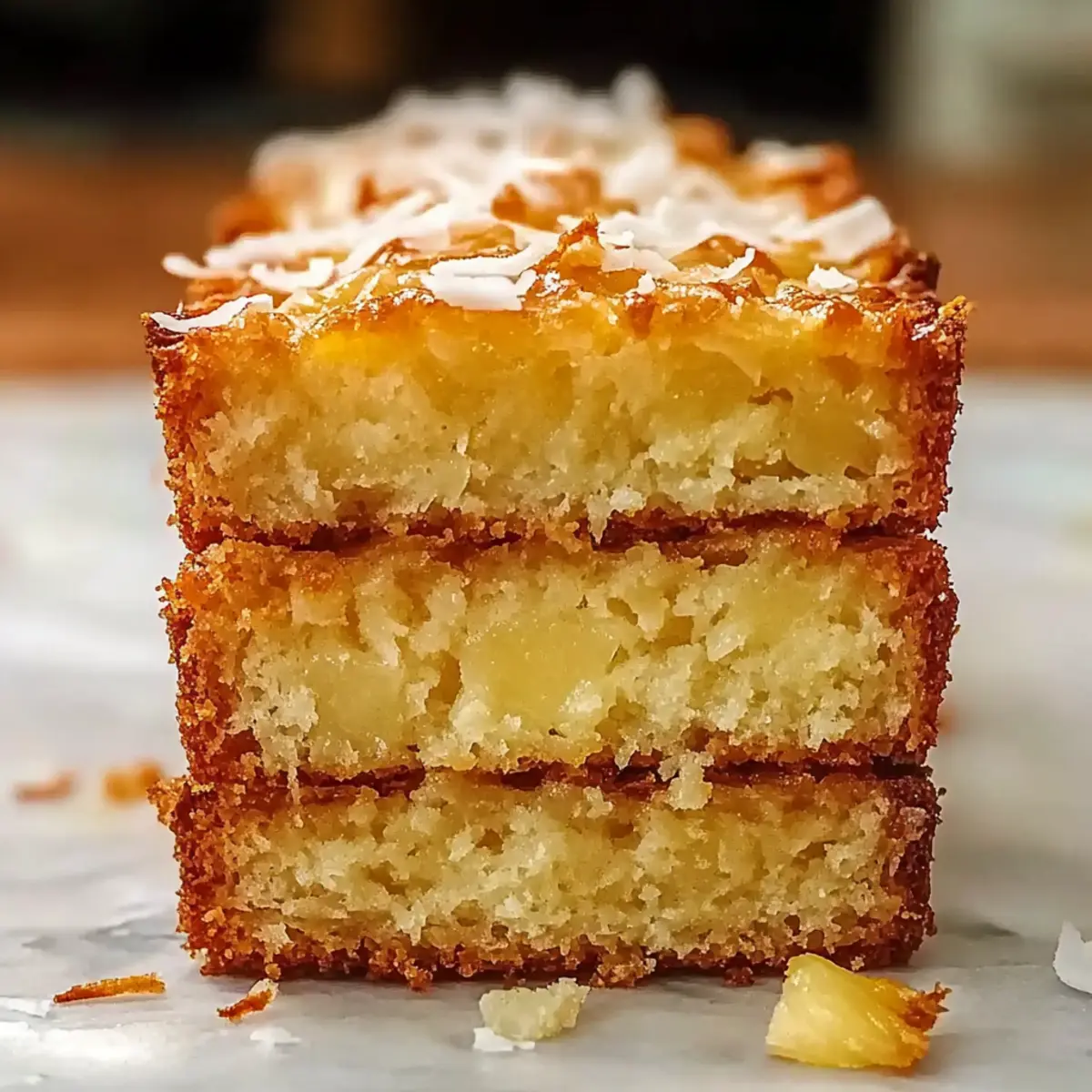
Pineapple Coconut Bread Recipe FAQs
What type of pineapple is best for this recipe?
Absolutely! For the best flavor, use ripe, fresh pineapple if possible. If using canned, ensure it’s well-drained to avoid excess moisture. Fresh pineapple should be finely chopped to maintain the right consistency in the bread.
How should I store leftover Pineapple Coconut Bread?
Store any leftover Pineapple Coconut Bread in an airtight container at room temperature for up to 3 days. If you want to keep it longer, I recommend wrapping it tightly in plastic and storing it in the fridge for about a week to keep it moist.
Can I freeze Pineapple Coconut Bread?
Definitely! To freeze your Pineapple Coconut Bread, wrap it tightly in plastic wrap and then in aluminum foil to prevent freezer burn. Place it in a freezer-safe bag, and it will last for up to 3 months. To reheat, simply let it thaw at room temperature or warm it in a 350°F (175°C) oven for 10-15 minutes.
What if my bread turns out dense?
Very! A dense texture can happen if the batter is overmixed or if too much flour is added. To prevent this, gently mix the wet and dry ingredients until just combined—it’s perfectly okay to have a few lumps. Additionally, measuring flour using a spoon and leveling it off rather than scooping straight from the bag can help you achieve the perfect consistency.
Are there any dietary considerations for this recipe?
Of course! To make this Pineapple Coconut Bread gluten-free, simply substitute the all-purpose flour with a gluten-free flour blend. Also, you may want to check for allergies; for instance, if you or someone you’re serving is allergic to eggs, you can replace each egg with 1/4 cup of unsweetened applesauce. Enjoying this tropical treat can be accessible to everyone!
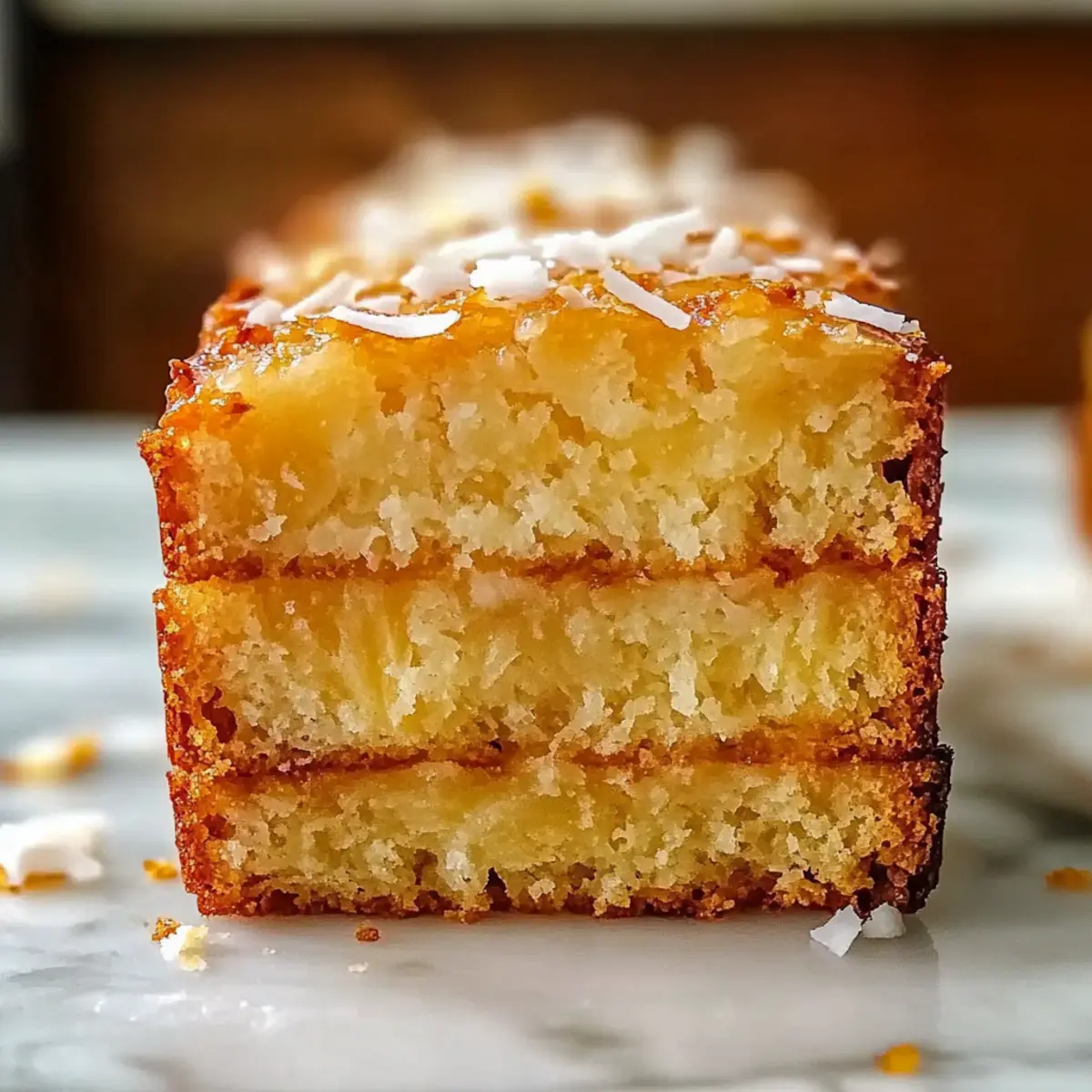
Delicious Pineapple Coconut Bread for a Tropical Escape
Ingredients
Equipment
Method
- Preheat your oven to 350°F (175°C) and grease a 9×5-inch loaf pan.
- In a large bowl, whisk together all-purpose flour, sugar, baking powder, baking soda, salt, and shredded coconut.
- In a separate bowl, mix melted butter, eggs, vanilla extract, buttermilk, and crushed pineapple until smooth.
- Pour the wet ingredients into the dry ingredients and gently fold until just combined.
- Pour the batter into the prepared loaf pan, smoothing the top.
- Bake for 55-60 minutes until a toothpick inserted comes out clean.
- Cool in the pan for 10 minutes, then transfer to a wire rack to cool completely.
Leave a Reply