
Stepping into my kitchen feels like entering a vibrant street market where the air is thick with tantalizing aromas. Today, I’m thrilled to share the recipe for Fluffy Korean Fried Chicken Bao Buns with Spicy Glaze—an incredible union of crunchy, spicy fried chicken and soft, fluffy buns that will transport your taste buds to Seoul. This dish is not just about satisfying cravings; it’s a quick prep masterpiece that shines at family gatherings or casual dinners, easily adaptable for any hungry crowd. Whether you’re a seasoned chef or still finding your way, these bao buns promise a fun cooking adventure that ends in delicious bites of joy. Curious how to get those fluffy buns just right? Let’s dive into this scrumptious journey together!
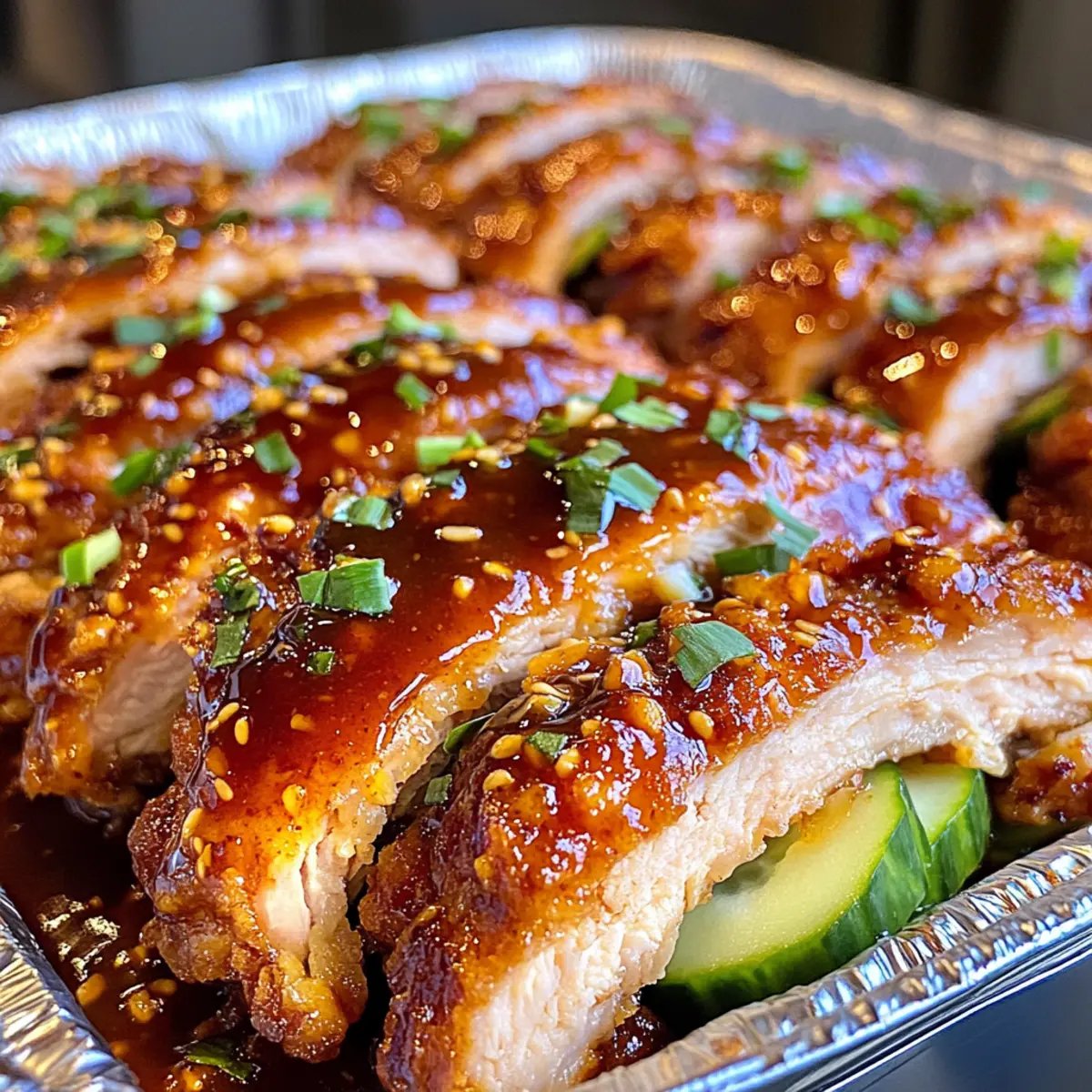
What Makes These Bao Buns Irresistible?
Fluffy, Soft Texture: The bao buns are a delight to the senses, presenting a cloud-like softness that perfectly cradles the crispy chicken.
Bold, Spicy Glaze: Each bite is intensified by a spicy-sweet glaze packed with flavor, making it a fantastic choice for those who love a kick in their meals.
Crowd-Pleasing Snack: Perfect for sharing, these bao buns are sure to impress friends and family at any gathering, just like my Aromatic Garlic Chilli Noodles with Soy and Vinegar!
Quick and Fun to Make: This recipe is not only simple, but it can be a fun family project, too. Experience the joy of cooking together without a lot of fuss.
Versatile Filling Options: While crispy chicken steals the show, feel free to swap in tofu or your protein of choice for a delicious vegetarian twist!
Get ready to savor every bite—you won’t want to miss this culinary adventure!
Korean Fried Chicken Bao Buns Ingredients
For the Buns
• Plain Flour (or Bleached Flour) – Structure and texture; substitute with cake flour for a softer bun.
• Cornflour (Cornstarch) – Lightens the texture of the buns; no direct substitute but using all-purpose flour yields a denser result.
• Caster Sugar – Adds sweetness to the bao; granulated sugar can be used if caster sugar isn’t available.
• Instant Dried Yeast – Leavening agent for the buns; if unavailable, use active dry yeast but activate in warm water before use.
• Baking Powder – Assists in the rise of the dough; essential for texture, do not omit.
• Warm Water – Activates yeast and hydrates the dough; ensure it’s lukewarm for best results.
• Vegetable Oil – Adds richness to the bun dough; can substitute with another neutral oil.
For the Chicken
• Chicken Thighs (or Breasts) – Main protein; thighs are preferred for tenderness and juiciness, but breasts can work too.
• Soy Sauce – Marinating agent that adds umami flavor; use low sodium for less saltiness.
• Shaoxing Cooking Wine – Enhances flavor profile; dry sherry can serve as a substitute.
• Egg White – Binds the marinade; omit for a vegan option and slightly increase other marinade ingredients.
• Vegetable Oil (for frying) – Necessary for achieving crispy chicken; must be oil that can maintain high temperatures.
For the Sauce
• Gochujang – Main flavoring component; provides heat and depth to the glaze.
• Light Muscovado Sugar – Sweetness and depth for the sauce; brown sugar can be used.
• Honey – Adds sweetness and gloss to the sauce; optional depending on the desired sweetness level.
• Garlic – Aromatic component that enhances flavors; freshly minced is recommended.
For Garnishing
• Cucumber (for garnish) – Adds freshness and crunch to balance the spicy chicken; swap with pickles if desired.
• Spring Onions/Chives – Garnish for color and flavor; adds freshness and can use fresh herbs for a similar effect.
• Toasted Sesame Seeds – For sprinkling; adds texture and nutty flavor.
Now that you have everything you need for your Korean Fried Chicken Bao Buns, let’s carry on to the delicious preparation of these delightful treats!
Step‑by‑Step Instructions for Fluffy Korean Fried Chicken Bao Buns with Spicy Glaze
Step 1: Prepare Dough
In a large mixing bowl, combine plain flour, cornflour, caster sugar, instant dried yeast, and baking powder. Gradually pour in warm water and vegetable oil, mixing until the dough comes together. Knead the dough for about 10 minutes on a lightly floured surface until it becomes smooth and elastic, then form it into a ball.
Step 2: First Proof
Transfer the dough to a greased bowl, covering it with a damp cloth or plastic wrap. Place the bowl in a warm, draft-free area and allow the dough to rise for 1 to 1.5 hours, or until it has doubled in size. Check for a puffy, airy texture, indicating it’s ready for the next step in making your flavorful Korean Fried Chicken Bao Buns.
Step 3: Shape Buns
Once the dough has risen, gently punch it down to release excess air. Roll it out on a floured surface to about 1/2 inch thick and cut out rounds using a biscuit cutter. Place the circles on parchment paper squares, then cover them and let them rise for another 30 minutes. This second rise will create the fluffy texture perfect for holding the crispy chicken.
Step 4: Steam
Prepare a steamer basket lined with parchment paper to prevent sticking, and bring water to a gentle boil in a pot. Arrange the buns in the steamer, leaving space between them for expansion. Steam the buns for 10–12 minutes, or until they are puffy and soft. The bao should look slightly glossy when done, ensuring they provide the ideal backdrop for your filling.
Step 5: Marinate Chicken
While the buns are steaming, cut the chicken thighs into bite-sized pieces. In a bowl, combine soy sauce, Shaoxing cooking wine, and egg white to create a marinade. Add the chicken pieces, ensuring they’re fully coated, and let them marinate for at least 30 minutes. This step enriches the chicken with deep flavors essential for that delightful bao experience.
Step 6: Prepare Chicken Coating
In a separate bowl, place enough plain flour to coat the marinated chicken. Take each piece of chicken from the marinade, shaking off excess liquid, and dredge it in the flour until evenly coated. This will create a crispy exterior once fried, contributing to the overall texture of your fluffy Korean Fried Chicken Bao Buns.
Step 7: Fry Chicken
Heat vegetable oil in a deep pan over medium-high heat until it reaches about 165°C (325°F). Carefully add the coated chicken pieces in batches, frying until they turn golden brown, usually around 4–5 minutes. Use a slotted spoon to transfer the chicken to a paper towel-lined plate to drain excess oil, ensuring a perfect crispy texture for your bao filling.
Step 8: Make Sauce
In a saucepan, combine gochujang, light muscovado sugar, honey, and minced garlic. Cook over medium heat, stirring constantly until the mixture thickens, about 5–7 minutes. The sauce should be shiny and slightly sticky, elevating the flavor of your Korean Fried Chicken and preparing it for a delicious toss before assembly.
Step 9: Coat Chicken
Once the chicken is fried and the sauce is ready, place the crispy chicken in a large mixing bowl. Pour the spicy glaze over the chicken pieces, tossing gently to ensure each piece is thoroughly coated with the vibrant glaze. This step will bring out the bold flavors and make the chicken filling irresistible for your bao buns.
Step 10: Assemble Buns
Take the fluffy steamed bao buns and spread a layer of spicy sauce inside each one. Fill them generously with the glazed chicken, then garnish with slices of cucumber and chopped spring onions for freshness. Serve warm, allowing everyone to indulge in the delightful contrast of textures and flavors that define these Fluffy Korean Fried Chicken Bao Buns with Spicy Glaze.
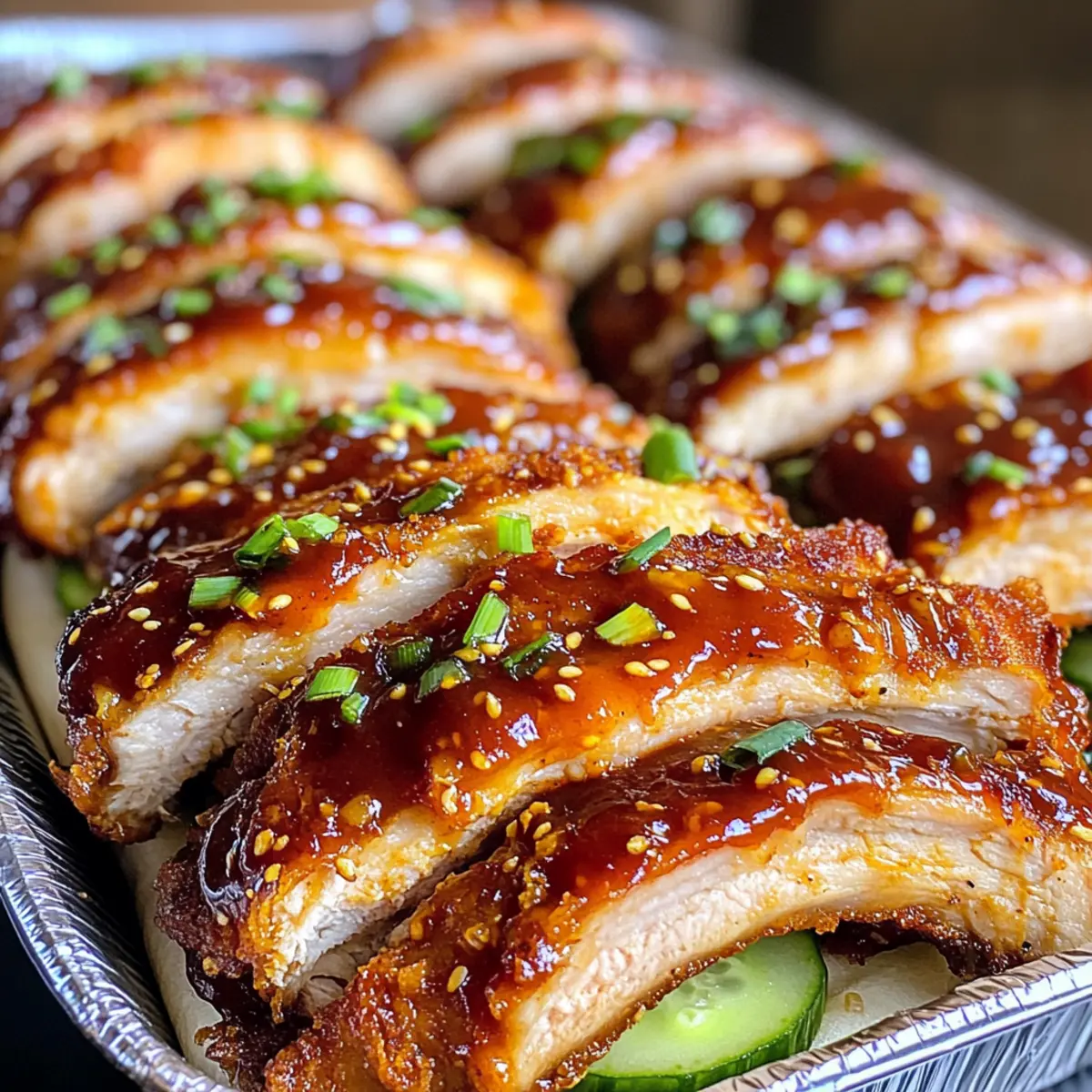
Expert Tips for Korean Fried Chicken Bao Buns
• Perfect Steaming: Ensure your steamer has enough water and is covered properly to avoid water escaping. This keeps the bao buns fluffy, achieving the desired texture.
• Chicken Marinade: Allow the chicken to marinate for at least 30 minutes for maximum flavor. This step is essential for delicious, juicy chicken that complements the bao.
• Avoid Sogginess: Let the steamed buns cool slightly before filling to prevent them from becoming soggy. The perfect bao bun should cradle the filling without losing its structure.
• Oil Temperature: Use a thermometer to check oil temperature before frying. Aim for 165°C (325°F) to get that classic crispy coating, ensuring your Korean Fried Chicken shines in the bao.
• Customize the Heat: Adjust the amount of gochujang in your sauce to suit your spice tolerance. Start with less and gradually add more until it suits your taste—making the dish your own!
Make Ahead Options
These Fluffy Korean Fried Chicken Bao Buns are perfect for meal prep enthusiasts! You can prepare the bao dough and shape the buns up to 24 hours in advance; simply store them in the refrigerator covered with plastic wrap to maintain their moisture. The marinated chicken can also be prepped and refrigerated for up to 3 days, ensuring it stays flavorful and ready to fry when you are. To finish, steam the buns directly from the fridge for about 12 minutes and fry the chicken just before serving, tossing it in the spicy glaze for that delicious kick. This way, you’ll have a quick and show-stopping meal ready with minimal effort!
Storage Tips for Korean Fried Chicken Bao Buns
Fridge: Store any leftover bao buns in an airtight container in the refrigerator for up to 3 days. Reheat gently in the steamer or microwave to restore softness.
Freezer: To preserve the fluffy texture, freeze assembled buns individually wrapped in plastic wrap. They can be frozen for up to 2 months. Reheat in a steamer when ready to enjoy.
Reheating: For best results, always reheat bao buns in a steamer to maintain their softness. Alternatively, a microwave can be used but wrap them in a damp paper towel to prevent drying.
Storage Tip: If storing the fried chicken separately, keep it in an airtight container at room temperature for up to 2 hours or refrigerate for up to 3 days to enjoy alongside your fresh bao buns later!
What to Serve with Fluffy Korean Fried Chicken Bao Buns?
Stepping into a world of flavor, pair your delicious bao buns with delightful sides that enhance every bite.
-
Crispy Pickled Vegetables: Their tangy crunch contrasts beautifully with the soft bao and spicy chicken, adding a refreshing touch to your meal.
-
Miso Soup: A warm, umami-rich soup that complements the bold flavors of the bao, providing a comforting balance to the dish.
-
Simple Cucumber Salad: Fresh cucumber slices with a touch of vinegar and sesame oil add a zesty, cool crunch, perfect for cutting through the richness of the chicken.
-
Sesame Noodles: Tossed in a savory sauce, these noodles offer a chewy texture that contrasts with the soft bao, making for a satisfying experience.
-
Kimchi: The spicy and fermented depth of kimchi brings traditional Korean flavors that beautifully elevate the overall meal, creating harmony on the plate.
-
Chilled Asian Green Tea: A light, herbal beverage that refreshes the palate, perfectly pairing with the warmth and spice of your bao buns.
-
Chocolate Mousse: To finish on a sweet note, this rich dessert adds a luxurious element, balancing the savory notes of the meal with silky chocolate indulgence.
Variations & Substitutions for Korean Fried Chicken Bao Buns
Feel free to customize these delicious bao buns and make them your own—your taste buds will thank you!
-
Tofu Twist: Use crispy marinated tofu instead of chicken for a delightful vegetarian option bursting with flavor. Make sure to season the tofu well to elevate its taste!
-
Gluten-Free: Swap the plain flour with a gluten-free all-purpose blend and cornflour for a gluten-free version while keeping that fluffy texture.
-
Sweet and Spicy: For an extra kick, mix chili paste with the gochujang until you achieve your preferred heat level. This will add an exciting zip to every bite!
-
Sauce Variety: Try using teriyaki sauce or sweet chili sauce in place of the gochujang for a different flavor profile. Each twist opens the door to a new culinary experience.
-
Bun Flavor: Add a tablespoon of sesame oil to the dough for a subtle nutty flavor that enhances the overall taste. It’s a delightful surprise in every bite.
-
Extra Veggies: Pack the buns with mixed sautéed vegetables for added color and nutrition. Think bell peppers, carrots, or bok choy—perfect for crunch and freshness!
-
Herb Infusion: Incorporate fresh herbs like cilantro or mint into the filling, adding aromatic notes that brighten up the dish. The herbs offer a refreshing lift that pairs beautifully.
-
Crispy Bits: Top the assembled buns with crispy fried shallots or garlic for an added crunch! The contrast of textures is sure to impress everyone at the table.
As you explore these variations, you might also want to check out my tips on preparing a side of Garlic Shrimp Over Mashed Potatoes to accompany your bao buns. Enjoy your culinary adventure!
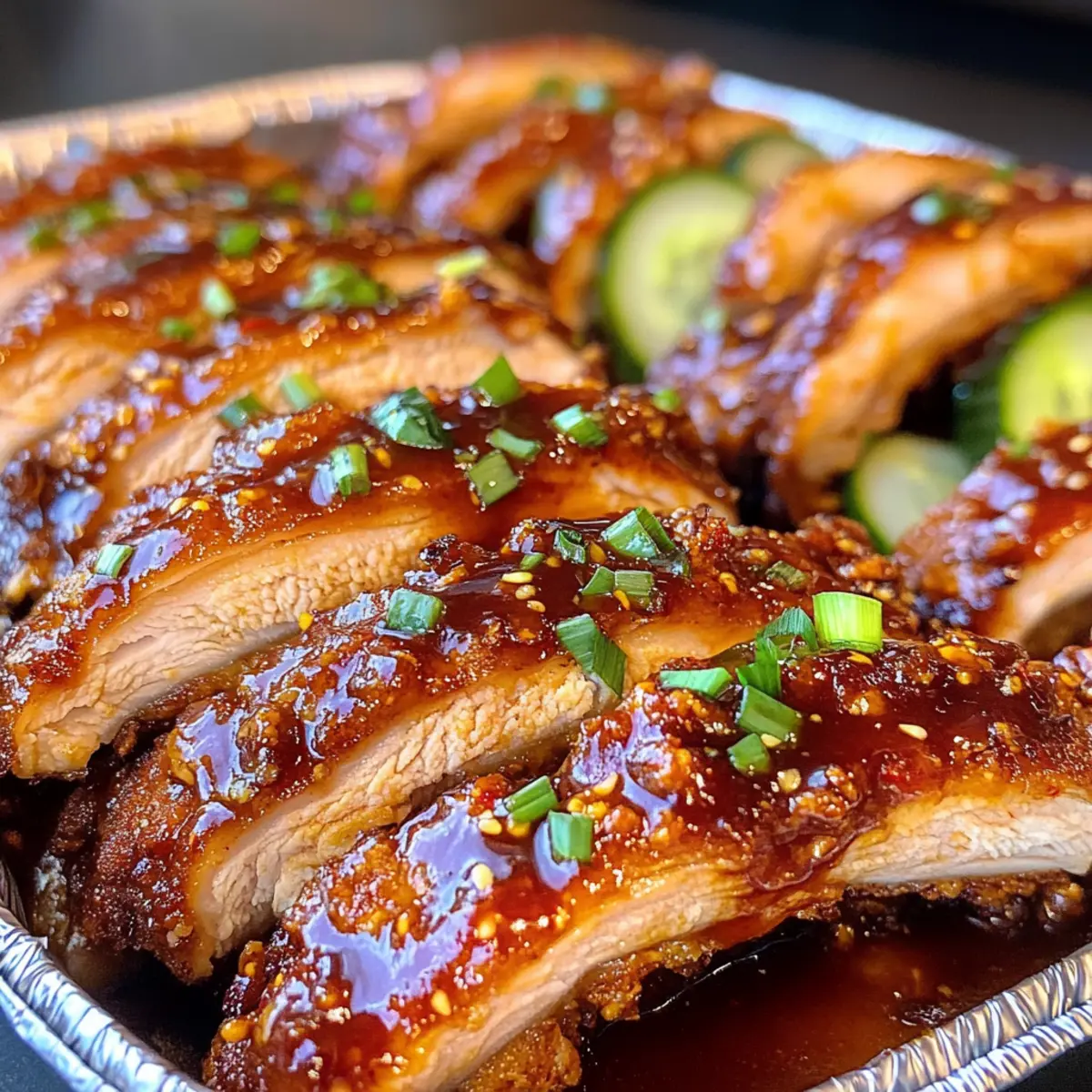
Korean Fried Chicken Bao Buns Recipe FAQs
How do I select the right ripeness of ingredients?
Absolutely! For the best results in your Korean Fried Chicken Bao Buns, use fresh, high-quality ingredients. Look for high-protein flour (like bread flour) for the buns, as it contributes to the desired structure. Make sure your yeast is active—look for packets with a long shelf life and signs of bubbling in warm water. Fresh chicken thighs should be pink and moist without any unpleasant odor.
What are the best storage methods for leftover bao buns?
Very important! Store leftover bao buns in an airtight container in the fridge for up to 3 days. You can reheat them gently in a steamer or microwave; steaming is best to maintain their fluffy texture. If you want to save them longer, freeze the assembled buns individually wrapped, as they can stay good for up to 2 months.
How do I freeze and reheat the bao buns?
Of course! To freeze your Korean Fried Chicken Bao Buns, wrap each bun tightly in plastic wrap to prevent freezer burn. Place them in a zip-top freezer bag, removing as much air as possible. When ready to enjoy, unwrap the buns and reheat them in a steamer for about 10-15 minutes until they are warm and fluffy again.
What should I do if my dough doesn’t rise?
Don’t worry, it happens to everyone! If your dough doesn’t rise, check if your yeast is fresh; it should bubble in warm water before you mix it. Make sure your dough is kept in a warm and draft-free spot. If not rising after 1.5 hours, you might need to adjust the warmth or humidity in your kitchen. You can create a warm environment by turning on the oven for a few minutes, turning it off, and placing the dough inside with a wet towel over it.
Are there any dietary considerations for this recipe?
Certainly! This recipe is not inherently gluten-free but can be modified by using gluten-free flour blends. If you’re cooking for someone with egg allergies, simply omit the egg white in the marinade and increase the other ingredients slightly to taste. Also, consider using tofu instead of chicken for a delightful vegetarian option, providing a similar texture once coated and fried.
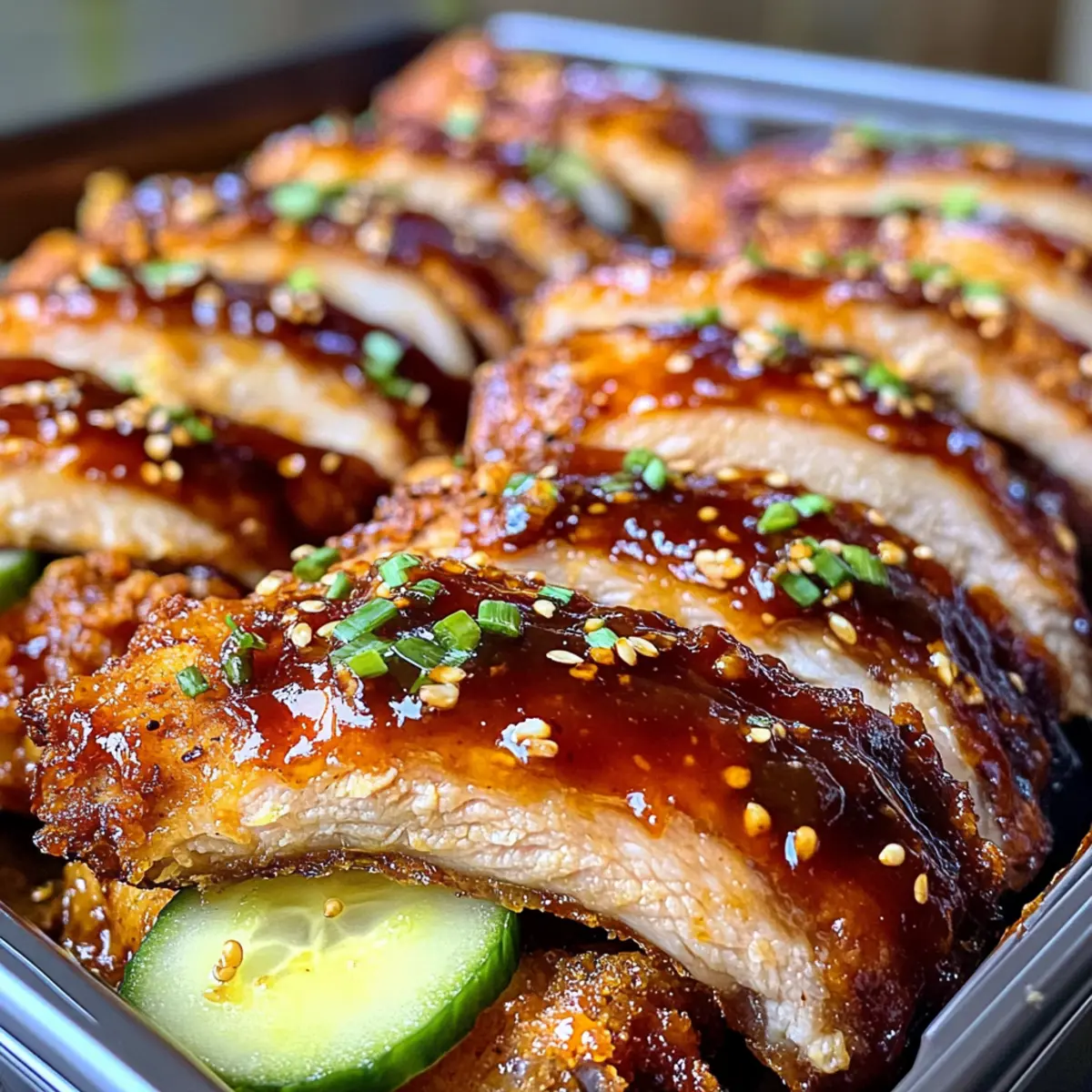
Savory Honey Garlic Ribs That Melt in Your Mouth
Ingredients
Equipment
Method
- In a mixing bowl, combine soy sauce, Shaoxing cooking wine, and egg white to create a marinade.
- Cut the pork ribs into serving size, coat them with the marinade, and let them marinate for at least 30 minutes.
- Prepare the glaze by combining gochujang, muscovado sugar, honey, and minced garlic in a saucepan over medium heat.
- Cook until the mixture thickens, about 5–7 minutes, stirring constantly.
- Preheat the oven to 300°F (150°C).
- Place the marinated ribs in a baking tray and cover with foil.
- Bake for 90 minutes, removing the foil for the last 20 minutes to caramelize the glaze.
- Allow the ribs to cool slightly before serving.
- Serve the ribs garnished with slices of cucumber, spring onions and a sprinkle of toasted sesame seeds.
Leave a Reply